You want to know which skills matter for data analysts (DAs) right now. LinkedIn is full of advice, but after reading countless posts, here are the skills you really need to focus on:
- SQL is non-negotiable. You need this skill.
- Select one BI tool (Power BI, Tableau, Looker, etc.) and focus on becoming proficient with it. While job listings sometimes require a specific tool, most skills are transferable across platforms. The key is to develop expertise in your chosen tool.
- Excel – this is the staple skill. Data analysts often use tools that lead to Excel at some point in a project.

But what about Python? If you scan through several job listings, you’ll notice that it’s often listed as a nice-to-have or doesn’t appear at all. Many articles or videos on how to get a job as a data analyst will tell you it’s not as important to learn Python, essentially confirming the observation from job listings.
How to Treat This Advice
If you are starting out in the DA field, follow the advice and learn the core skills. But avoid the mistake of thinking that learning Python isn’t important. Once you are hired, buckle down and learn Python. Why? Because if one or more people on your team have Python skills, they are more likely to survive cutbacks, all else being equal.
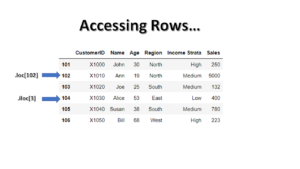
At the very least, learn the basics, then master the Pandas package, as it opens doors. Pandas lets you transform data into formats suitable for ingestion into your pipeline. It can even be a process within the pipeline, depending on how you set it up. Once you get a taste for Pandas, learning other packages becomes easier. Python has several useful packages that enhance your toolset.
Expertise Not Needed
Learning a computer language is easier than ever with AI. And companies are expecting their DAs to incorporate AI into their workflows. It’s not wise to wait around for your company to tell you what AI tools to use and learn. Just start by implementing systems that improve your productivity. Python can help, but only if you know how to wrangle it. That’s where the AI can assist you.

AI-assisted coding can be frustrating. especially when it doesn’t follow your instructions due to hallucinations. But overall, it has evolved into a significant productivity booster.
So why even learn Python? Why not just let the AI do everything? There are people doing this now. And perhaps it’s working for them. However, at some point, they may be called upon to review the code the AI is generating. Hidden inside the pages of your policy manuals at work is a clause that states you are responsible for the output produced by AI engines. That responsibility is bigger than people know.
Putting your trust in AI to create everything perfectly is akin to playing Russian Roulette. And if you are called upon to review the code, learning Python on the spot will be a gigantic effort. Python is one of the easier languages to learn the basics of. But it has a learning curve just the same.
Why Python?
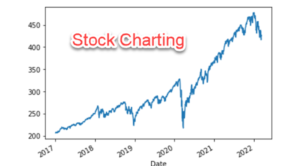
Python is a general-purpose programming language created during the 1990s. It was not built for data analytics or even data science, for that matter. What made it popular were the packages (also called libraries) built to support the data arena. The basics are easy to learn, although more advanced features are nuanced. But for data analysis use, you can get by with knowing Pandas and maybe a few charting packages (like Matplotlib and Seaborn).
When you are ready to learn Python, you can get started with a free lesson from DataCamp’s Introduction to Python. What I like about DataCamp’s platform is that its learning tools are all self-contained. You have access to a Python development environment, and you will receive immediate feedback when you try out the exercises.
Full disclosure: I am an affiliate for DataCamp and will receive a commission if you decide to upgrade to a paid subscription. But first, give the Introduction to Python chapter a try before you decide to upgrade. Then, if you feel it can help your career, go ahead and upgrade to the paid version.
How Python Got Its Name (Not What You Think)
The name Python has nothing to do with the snake.
It comes from the British comedy group Monty Python, creators of the iconic show Monty Python’s Flying Circus.
The creator of Python, Guido van Rossum, was a fan of the show.








Be First to Comment